Best 3D Printer Resin: A Practical Buying Guide for Standard, Tough, and Water-Washable
Introduction
Affiliate Disclosure: As an Amazon Associate, 3D Shopper earns from qualifying purchases. This does not affect our recommendations.
If you’re looking for the best 3d printer resin, you’ve probably noticed that not all bottles are the same. Some are brittle. Some bend. Some need isopropyl alcohol, and others just need water. The choice you make has a bigger impact on print success than almost any setting or hardware upgrade.. For more on this, see our guide on How to Dry 3D Printer Filament: Best Dry Boxes and Dehydrators.
This guide covers standard, tough, and water-washable resins with real-world experience behind each type. I’ve printed hundreds of models across different brands and formulations, and I’ve learned which ones work and which ones cause headaches. You’ll get the tradeoffs, the gotchas, and practical recommendations for choosing the right resin for your next project.
What You Need to Know Before Buying Resin
Before diving into specific categories, it helps to understand what makes one resin different from another. The key properties are viscosity, odor, cure shrinkage, layer adhesion, and finish. These affect everything from how easily the resin flows in the vat to how your model looks and holds up after curing.
Viscosity matters because thicker resins drain slower and can cause layer separation or bubbles. Most standard resins are reasonably thin, while tough resins tend to be thicker to allow for flexibility. Odor is a practical concern for anyone printing indoors. Water-washable formulas usually have less smell, but they’re not odorless. Cure shrinkage is the amount the print shrinks during curing, which affects dimensional accuracy. If you’re printing parts that need to fit together, this matters a lot.
There are three main categories: standard resins for high detail and rigidity, tough resins for durability and impact resistance, and water-washable resins for easier cleanup. Each has strengths and tradeoffs. Your printer brand matters less than choosing the right resin type for your specific goal.
Standard Resins: The Workhorse for Detailed Prints
Standard photopolymer resins are the default choice for most hobbyists. They cure hard with a glassy finish and capture fine details well. If you’re printing miniatures, jewelry, architectural models, or figurines, this is where you’ll spend most of your time.
The biggest tradeoff is brittleness. Standard resins snap rather than bend. Drop a miniature on the floor, and it’s likely to break at the ankles or sword. That’s fine for display pieces but frustrating for anything that needs to handle stress. I’ve found that brands like Elegoo Standard and Anycubic Standard offer good value with consistent quality. Their exposure times are forgiving, and cleaning with isopropyl alcohol is straightforward.
Best for: Miniatures, detailed prototypes, display models, jewelry masters.
Avoid if: You need impact resistance, flexible parts, or functional moving components.
If you’re just starting or need a reliable all-rounder, a standard resin is the right choice. Pick up a liter from a trusted brand, dial in your exposure, and you’re good to go. If you need isopropyl alcohol for cleaning, stock up on high-purity isopropyl alcohol to keep your prints clean.
Tough & Durable Resins: When Prints Need to Take a Hit
Tough resins are a different beast. They’re engineered to absorb impact, flex under stress, and resist cracking. If you’re printing functional prototypes, tools, snap-fit parts, or components that get handled often, this is the category you want.
The difference comes down to chemistry. Tough resins incorporate flexible polymers that form stronger layer bonds. The result is a part that might bend slightly before breaking, or not break at all. The tradeoff is that you lose a small amount of detail. Fine edges and sharp corners can round slightly compared to standard resin. I’ve printed custom brackets, drone parts, and even a few tools with Siraya Tech Blu and Phrozen Tough Resin. They hold up well, but exposing them correctly is critical. Undercuring leaves them sticky and weak. Overcuring makes them brittle again.
Best for: Functional parts, tools, enclosures, snap-fit components, robotics.
Caution: Some ‘tough’ blends are still more brittle than expected. Read reviews and stick with reputable brands.
If you need a resin that won’t shatter on the first drop, start with Siraya Tech Blu. For those printing functional parts, a calibration model set helps dial in exposure for tough resins.
Water-Washable Resins: The Convenience Tradeoff
Water-washable resins sound like a dream: skip the isopropyl alcohol, rinse in water, done. And they are convenient—but not without gotchas.
The main advantage is less mess and lower cost for cleaning. No IPA means you avoid the smell and the need to store flammable solvents. That’s a real win for beginners or anyone printing in a space without good ventilation. But water-washable resins have quirks. They’re more prone to cracking during the curing process if you don’t dry them thoroughly first. I’ve had prints that looked perfect after rinsing but cracked when the curing light hit them because water was trapped in thin sections.
Another issue: untreated water-washable resin is still toxic and can’t go down the drain. You need to cure the water (or let it evaporate) before disposal. The learning curve is steeper than standard resin. If you rush the drying step, expect failures.
Best for: Beginners without IPA access, makers with limited ventilation, quick prototyping where convenience matters more than durability.
Avoid if: You need high detail or impact resistance, or you want the most forgiving workflow.
If you’re set on trying it, start with a small bottle and a simple model. A water-washable resin starter kit is a practical way to test without committing to a liter.

Resin Comparison: Standard vs. Tough vs. Water-Washable at a Glance
- Detail level: Standard > Tough > Water-Washable (standard wins)
- Durability: Tough > Water-Washable > Standard (tough wins)
- Ease of use: Standard > Tough > Water-Washable (standard is most forgiving)
- Cost per liter: Water-Washable > Tough > Standard (standard is cheapest)
- Odor: Water-Washable < Standard < Tough (all have some smell)
- Cleaning method: Standard needs IPA, Tough needs IPA or solvent, Water-Washable uses water
There’s no universal winner. Pick based on your project and your post-processing setup.. For more on this, see our guide on Best Nylon Filament for Industrial & High-Heat Applications.
3 Resin Mistakes That Ruined My Prints (And How to Avoid Them)
Over time, I’ve made enough mistakes to fill a scrap bin. Here are three that cost me time, resin, and patience.
1. Not calibrating exposure for each new resin. I once assumed all standard resins required the same settings. Wrong. One bottle needed 30% longer exposure to cure fully. The result was soft, gummy prints that collapsed under their own weight. The fix: always run a calibration print like the Cones of Calibration or the XP2 validation model before printing anything important.
2. Leaving water-washable prints too long in the water bath. I thought soaking overnight would make cleanup easier. Instead, the prints absorbed moisture and warped during curing. Thin walls cracked, and surfaces looked cloudy. The fix: wash water-washable prints for 3 to 5 minutes, then dry them with compressed air or a heat gun at low setting. Don’t let them sit submerged.
3. Curing too fast with too much heat. I used a powerful UV lamp at close range for only two minutes. The heat from the lamp softened the resin unevenly, causing delamination and cracking. The fix: cure at a moderate distance (6 to 10 inches) for the recommended time. Rotate the print to ensure even curing. If you’re using a wash-and-cure station, follow the manufacturer’s timer.
The Hidden Cost of Cheap Resin: What to Watch For
I’ve tried the bargain-bin resins. Some worked fine after dialing in settings. Others were a disaster. Inconsistent viscosity meant layers wouldn’t bond properly. Strong odor made printing indoors unpleasant. Higher shrinkage caused dimensional errors in functional parts. And print failures wasted more resin than I saved by buying cheap.
My advice: find the sweet spot between budget and reliability. Mid-range resins from brands like Elegoo, Anycubic, and Phrozen offer predictable performance without the premium price of specialty formulas. I’ve found that spending an extra five to ten dollars per liter saves more in failed prints and wasted time than it costs. To protect your workspace from spills, a silicone mat for resin printing is a simple investment that keeps cleanup easy.
How to Choose the Right Resin for Your Next Project
Here’s a simple framework to match resin type to your project.
Project: Display miniatures or figurines. Go with standard resin. High detail, low cost, easy cleanup. You’re not going to drop them often, so brittleness won’t be an issue.
Project: Functional parts or tools. Use tough resin. Impact resistance and flexibility are worth the extra cost and longer cure times. You’ll get parts that survive real use.
Project: Quick prototyping or teaching a beginner. Try water-washable resin. The convenience is real, but budget time for learning the drying and curing steps. Start with a simple model to avoid frustration.
Project: High-speed printing or low detail. Standard resin still wins for speed and simplicity. Just make sure you have good ventilation.
Match the resin to your post-processing setup. If you have a wash-and-cure station, standard and tough resins are easy to manage. If you don’t have IPA or want to avoid it, water-washable makes sense. If you’re just starting, pick one resin type and learn it well before experimenting.
Essential Accessories for a Smoother Resin Workflow
Resin printing is messy. A few accessories make the difference between a frustrating cleanup and a smooth process.
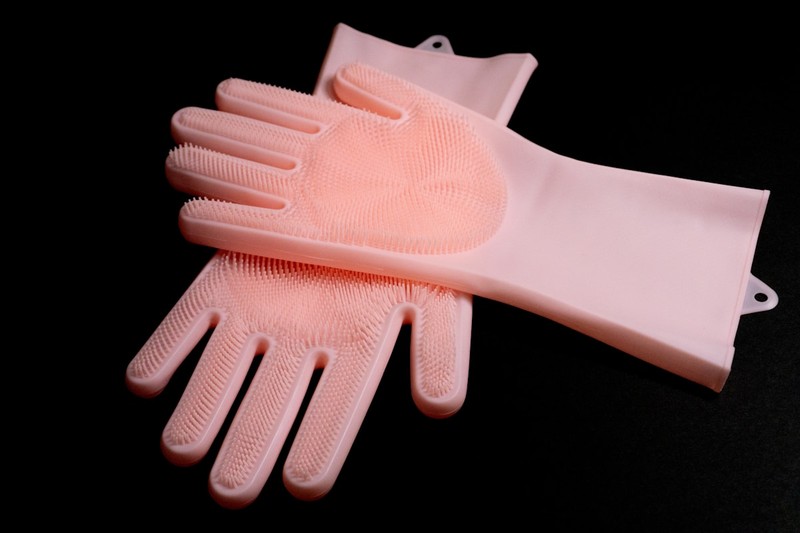
- Disposable gloves: Nitrile gloves are a must. Resin is an irritant. Buy a box of medium or large. It saves your hands and keeps prints clean. Shop for nitrile gloves.
- Silicone mat: A large silicone mat under your printer and curing station catches drips and spills. Easy to clean, protects your desk. Find a silicone mat for 3D Printing.
- Wash and cure station: Saves time and keeps consistent results. A dedicated station with a UV turntable and wash basket is worth the investment. Browse wash and cure stations.
- Funnels and filters: Pouring resin from the bottle to the vat without a funnel equals mess. Use a fine mesh filter to catch cured bits. Get a resin funnel set.
- UV curing light: If you don’t have a station, a standalone UV lamp works. Avoid the cheap nail lamps with weak output. Compare UV curing lights.
My Go-To Resin Recommendations for
After testing many formulations, here are my top picks for different needs.
- Standard pick: Elegoo Standard resin — Consistent, affordable, great detail. My go-to for miniatures and prototypes.
- Tough pick: Siraya Tech Blu — Strong, flexible, holds up well. Best for functional parts.
- Water-washable pick: Anycubic Water-Washable Resin — Reliable convenience. Dries well if you follow the steps.
- Specialty pick: Phrozen 8K Standard Resin — Incredible detail for high-resolution prints. Works great on 8K printers.
Compare these options and find your best fit for your next print.
Final Thoughts: The Best 3D Printer Resin Depends on Your Setup
There’s no single Best Resin for everyone. The right choice depends on your project, your printer, and your post-processing workflow. Standard resins deliver unbeatable detail for display pieces. Tough resins handle stress and impact. Water-washable resins simplify cleanup but need careful handling.
My advice: start with a small bottle of standard resin, dial in your settings, and learn the basics. Then experiment with one other type to see how it fits your style. The best research is practical—buy a bottle, calibrate, and print. Compare options and find your best fit for your next print. Happy making.
Here’s what I’d tell a friend just starting out: buy a mid-range printer, use free software for the first six months, and spend your budget on filament — not upgrades. The person who prints 50 things on a basic setup learns more than the person who spends 50 hours researching the perfect rig.. For more on this, see our guide on Best Specialty Filaments for 3D Printing: Rainbow, Marble, and Metal-Fill Compared.