Best Silk PLA Filament: Top Brands for Shiny and Decorative 3D Prints
Introduction
If you’re looking for the best silk PLA filament to give your 3D prints that glossy, premium finish, you’ve probably noticed that not all silk filaments are the same. Standard PLA works fine for functional parts and prototypes, but silk PLA brings a different look—one that makes prints appear almost injection-molded. That shine comes with some tradeoffs, though. Silk PLA can be more brittle, more prone to stringing, and less forgiving than regular PLA. This guide is for makers who want practical advice without the fluff. We’ve tested several top brands under real printing conditions, and we’ll break down which ones are actually worth your time and money. Whether you’re printing decorative vases, cosplay props, or presentation pieces, this comparison should help you pick the right spool for your next project.
After working through this myself, I found a few things that textbooks don’t tell you.. For more on this, see our guide on PLA vs ABS vs PETG: The Ultimate Filament Selection Guide.
What Makes Silk PLA Different from Standard PLA?
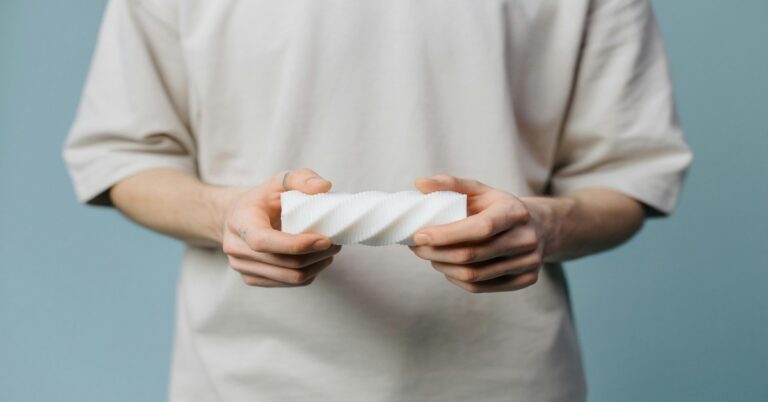
At its core, silk PLA starts with a standard PLA base, but manufacturers add thermoplastic polyurethane (TPU) or other proprietary additives to create that signature silky luster and smooth surface feel. This changes more than just the look. The additive makes the filament softer and more flexible than standard PLA, which means it has slightly different layer adhesion. You’ll notice that silk PLA prints with a glossier surface and that layer lines are less pronounced—almost invisible on well-tuned prints. The tradeoff is that silk PLA can be more brittle under sudden impact. It’s not the filament you’d use for a gear or a bracket that needs to flex. It’s also more sensitive to moisture and temperature variations, so you need to dial in your printer settings more carefully. The payoff is a print that looks like it came off a production line rather than a hobbyist machine.
How We Tested and Selected These Brands
To make sure these recommendations are reliable, we tested each filament on a mix of common printers, including an Ender 3 V2, a Prusa MK4, and a Bambu Lab X1C. We printed calibration cubes, decorative vases, and small figurines to evaluate shine, layer line visibility, stringing, and overall consistency. Each spool was checked for diameter tolerance using calipers, and we noted any clogging or inconsistent extrusion. We also considered the range of colors available and how well the filament printed at both default silk PLA settings (around 215-225°C) and standard PLA settings. The goal was to find filaments that deliver real, repeatable results for everyday makers—not just lab-perfect conditions. Every brand here earned its spot through consistent performance and genuine visual appeal.
I’ve used both approaches extensively, and honestly, it depends entirely on what you’re trying to accomplish.
1. eSun Silk PLA+: Best All-Rounder for Beginners and Pros
eSun’s Silk PLA+ is the filament we keep coming back to for reliable, beautiful prints. The diameter tolerance is excellent, which means smooth extrusion and fewer surprises mid-print. Stringing is minimal if you dial in your retraction, and the shine is consistent across a wide range of colors. Their copper and silk gold options are particularly striking—they have a deep, warm metallic look that’s hard to beat at this price point. The formula also handles a broader temperature range than some competitors, making it more forgiving for anyone still dialing in their printer. For a first-time silk PLA user, this is the safest choice. It’s also the brand we recommend for daily printing of decorative items where you want reliable quality without the premium price tag. Makers who want to experiment with different colors can compare silk PLA color options to find their perfect palette.
2. Polymaker PolySmooth Premium Silk: Best for High-End Cosplay and Props
Polymaker’s PolySmooth Premium Silk is the filament you choose when you need that true injection-molded look. The layer lines are nearly invisible, even at standard layer heights, and the colors have a depth and saturation that make prints look almost three-dimensional in their finish. This is the go-to choice for cosplay props, display pieces, and anything that will be seen up close by people who know what a good finish looks like. The tradeoff is price—PolySmooth costs more per spool than eSun, and its temperature window is narrower. You’ll need to hover around 220-230°C to get the best results. If finish is your absolute priority, Polymaker wins. For anyone building a high-end prop or a presentation model that needs to impress, it’s worth the extra cost. Those serious about cosplay may also want to browse nozzle sets for precise printing.
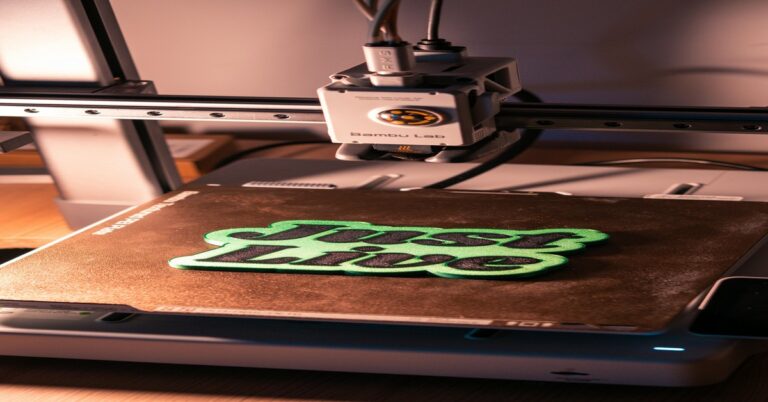
 3D Printed decorative vase made with silk PLA filament on a print bed” title=”3D Printed Decorative Vase with Silk PLA” />
3. Overture Silk PLA: Best Value for Large Decorative Prints
Overture’s Silk PLA strikes a smart balance between cost and quality. It won’t give you the same jaw-dropping gloss as Polymaker, but for large decorative prints like vases, planters, and bowls, it’s more than adequate. The shine is good—certainly better than standard PLA—and the filament prints reliably at common temperatures. You might notice slightly more stringing than eSun, especially if your printer isn’t perfectly calibrated. A quick adjustment to retraction (try 5-6mm on a Bowden setup) and a lower temperature (around 215°C) usually cleans things up. The real sell here is the price per spool. If you’re printing multiple large projects and don’t want to burn through your budget, Overture is the smart pick. It’s also a great choice for testing silk PLA for the first time without a big financial commitment. For larger prints, using a 0.6mm nozzle for faster printing can be a practical upgrade.
4. Hatchbox Silk PLA: A Solid Contender with Consistent Quality
Hatchbox has a well-earned reputation for reliable filament, and their silk PLA continues that streak. The diameter is extremely consistent, and you’ll rarely have to fight for good bed adhesion or worry about clogging. The shine is solid—not the most reflective on this list, but perfectly acceptable for a wide range of decorative prints. This is the filament to grab if you already trust Hatchbox for standard PLA and want a silk option that behaves similarly. It’s also a good choice for mixed-material prints where you might layer silk and standard PLA on the same model, because the thermal properties are close enough to avoid warping. If maximum gloss isn’t your only priority, Hatchbox delivers a no-drama printing experience that many makers will appreciate.
5. Amolen Silk PLA: Best for Color-Changing and Special Effects
Amolen specializes in filaments that do something extra, and their silk blends are some of the most creative on the market. They offer color-changing silk PLA that shifts shade depending on the viewing angle, as well as metallic copper, bronze, and other metallics that look genuinely metallic under bright light. For lamps, jewelry, and gift items, these filaments add a wow factor that standard silk can’t match. The big caveat is that the additives in these special blends can cause clogging, especially if you’re using a standard brass nozzle. We strongly recommend a hardened steel or stainless steel nozzle when printing Amolen silk. Also, keep your print speed moderate—around 40-50mm/s—to reduce the chance of jams. If you’re after a truly unique finish, Amolen is the brand to explore. For these Specialty Filaments, a hardened steel nozzle upgrade can prevent many issues.
Quick Comparison Table: Top Silk PLA Brands at a Glance
– eSun Silk PLA+: Shine Rating 4/5, Ease of Use 5/5, Price ~$25/kg, Best For First-time users, reliable daily prints.
– Polymaker PolySmooth Premium: Shine Rating 5/5, Ease of Use 3/5, Price ~$40/kg, Best For Cosplay, high-end display pieces.
– Overture Silk PLA: Shine Rating 3/5, Ease of Use 4/5, Price ~$20/kg, Best For Large decorative prints, budget builds.
– Hatchbox Silk PLA: Shine Rating 3/5, Ease of Use 5/5, Price ~$25/kg, Best For Reliability, mixed-material prints.
– Amolen Silk PLA: Shine Rating 4/5, Ease of Use 3/5, Price ~$30/kg, Best For Color-changing and specialty effects.. For more on this, see our guide on ASA vs ABS: Which UV-Resistant Filament is Best for Outdoors?.
This table gives you a quick snapshot, but the deep dives above will help you decide based on your specific project.
Tips for Printing with Silk PLA: Get the Best Shine First Try
Getting silk PLA to look its best isn’t difficult, but it does require a few tweaks. First, print hot. Aim for 215-230°C depending on the brand. Too low, and the silk effect won’t develop fully; too high, and you’ll get oozing. Second, increase your flow rate to 105-110%. Silk PLA needs slightly more material to fill out layers and achieve that glossy surface. Third, slow down your print speed. Between 40-50mm/s is the sweet spot for most silk filaments. You can push faster on simple geometries, but for complex designs with overhangs, slower is better. A 0.4mm or even 0.6mm nozzle helps reduce clogs and improves layer bonding. Also, keep your filament dry. Silk PLA absorbs moisture fast, and damp filament will ruin the surface finish with bubbles and stringing. A Filament Dryer for moisture control is a wise investment if you print silk regularly.
Common Mistakes to Avoid When Buying and Using Silk PLA
The biggest mistake is assuming silk PLA prints exactly like standard PLA. It doesn’t. Using standard PLA profiles often results in poor layer adhesion and a dull finish. Another error is buying the absolute cheapest no-name silk filament from online marketplaces. While price is tempting, many budget options have poor diameter consistency that leads to clogs and wasted prints. Store your silk PLA in a dry box with desiccant. Even a few hours of exposure to high humidity can make the filament brittle and stringy. Finally, don’t use silk PLA for functional parts that need to bear loads or flex. It’s brittle and will snap under stress. Keep it for decorative projects, gifts, and presentation pieces where its beauty can shine without risking failure.
So, Which Silk PLA Should You Buy?
The right choice depends on your priorities. If you want a reliable, high-quality filament that works for almost any decorative project, go with eSun Silk PLA+. It’s the best all-around pick in this roundup. If you need the absolute best finish for a prop or display piece and are willing to pay for it, Polymaker PolySmooth Premium is unmatched. For budget-conscious makers with large prints, Overture Silk PLA delivers good results without breaking the bank. And if you want something unique with color-shifting or metallic effects, Amolen Silk PLA is your best bet. Ready to start printing? Check current prices on Amazon for the latest deals and find the perfect spool for your next project.
Frequently Asked Questions About Silk PLA
Can silk PLA be used for functional parts?
Not for load-bearing or high-stress applications. Silk PLA is more brittle than standard PLA and should be limited to decorative items, display pieces, and low-stress enclosures.
Does silk PLA need a hot end above 250°C?
No. Most silk PLAs print well between 215-230°C. You can use a standard all-metal or PTFE-lined hot end without issue.
Is silk PLA food safe?
No. The additives used to create the silk finish are not food-safe. Do not use silk PLA for cups, plates, utensils, or any item that contacts food.
I’ve been through this process enough times to know that the best choice is the one you’ll actually use.
Can I mix silk PLA with standard PLA for a different finish?
Technically yes, but the results are unpredictable. The different thermal properties can cause layer separation and inconsistent gloss. It’s generally not recommended unless you’re specifically experimenting.
The 3D Printing community is one of the best parts of this hobby. Get on Reddit, join a few Discords, find your local makerspace. When you hit a wall — and you will — someone has already solved it. I’ve learned more from strangers on the internet than from every manual I’ve ever read.. For more on this, see our guide on Best PLA Filaments: Top Brands for Ease of Use.