How to 3d Print a Drone — Parts, Models & Tips
Ever dreamt of soaring through the skies with a drone you’ve built yourself? With the incredible capabilities of 3D printing, that dream is more attainable than ever! Creating your own custom drone from scratch might seem like a daunting task, but breaking it down into manageable steps reveals an exciting and rewarding project. From robust frames to intricate accessory mounts, 3D printing allows for unparalleled customization and a deep understanding of your flying machine. This guide will walk you through everything you need to know about how to 3D print drone parts models, covering essential components, where to find designs, and crucial tips for a successful build. Check out our best 3D printers guide.
Why 3D Print Your Own Drone?
Diving into the world of DIY 3D printed drones offers several compelling advantages over simply buying an off-the-shelf model:
- Cost-Effectiveness: While initial setup costs for a 3D printer and some electronics exist, printing your own frames and other non-electronic parts can significantly reduce the overall expense, especially for custom or repair parts.
- Unmatched Customization: Want a drone with a specific camera mount, a unique battery enclosure, or landing gear designed for rough terrain? 3D printing gives you the freedom to design and print parts tailored precisely to your needs and aesthetics.
- Repairability: Crashes happen. Instead of buying expensive replacement parts, you can simply print new ones. This not only saves money but also gets your drone back in the air faster.
- Educational Experience: Building a drone from the ground up is an excellent learning experience, teaching you about aerodynamics, electronics, programming, and mechanical assembly. It’s a fantastic entry point into engineering and robotics.
- Innovation: 3D printing empowers you to experiment with new designs, optimize for weight or strength, and push the boundaries of what’s possible with a DIY drone.
Essential Drone Components (Non-3D Printed)
Before you even fire up your 3D printer, it’s crucial to understand that not everything on a drone can or should be 3D printed. Many critical components are specialized electronics and hardware that you’ll need to purchase. These typically include:
- Motors: Brushless DC motors are the workhorses that spin your propellers. Their size and KV rating (RPM per volt) will depend on your drone’s size and intended use.
- ESCs (Electronic Speed Controllers): These regulate the power supplied to each motor, allowing the flight controller to control their speed and direction.
- Flight Controller: This is the brain of your drone, interpreting your commands and stabilizing the aircraft. Popular options include open-source platforms like Betaflight, ArduPilot, or INAV.
- Battery: High-discharge LiPo (Lithium Polymer) batteries provide the power. You’ll also need a compatible charger.
- Propellers: While some experimental propellers can be 3D printed, commercially available propellers are typically more efficient and balanced.
- Receiver & Transmitter (Radio Control): To control your drone, you’ll need a radio transmitter and a receiver compatible with your flight controller.
- Optional: FPV Gear: For First-Person View flying, you’ll need a tiny camera and a VTX (Video Transmitter) to send the video feed to FPV goggles or a monitor.
You can source these components from specialized drone shops, online electronics retailers, or hobby stores.
3D Printable Drone Parts
Now for the fun part – what can you actually 3D print for your drone? The answer is quite a lot, especially when it comes to the structural and aesthetic elements.
The Frame/Chassis
This is often the largest and most critical 3D printed part. The frame provides the structure for mounting all your components. You can find designs for various configurations, such as quadcopters (four motors), hexacopters (six motors), or even specialized racing frames. When choosing or designing a frame, consider:
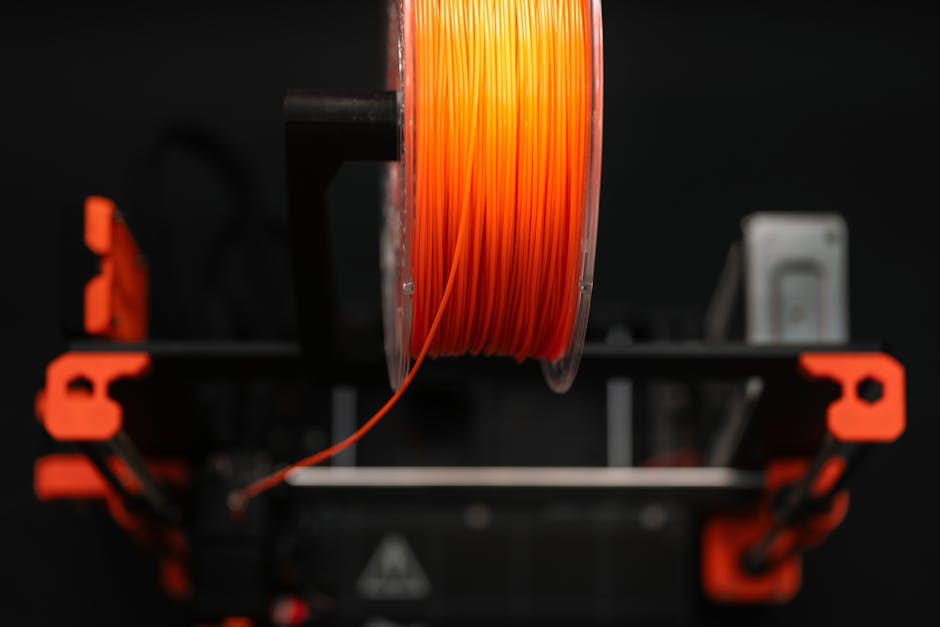
- Material: PETG is an excellent choice for drone frames due to its strength, moderate flexibility, and good layer adhesion. ABS is also strong but can be trickier to print. For extreme rigidity, carbon fiber-infused filaments can be used, though they are more abrasive on nozzles.
- Design: Look for designs that prioritize strength-to-weight ratio, provide ample space for electronics, and have secure mounting points.
- Weight: Every gram counts for flight performance and battery life. Opt for designs that are sturdy but not excessively bulky.
Landing Gear
Often 3D printed from flexible materials like TPU, landing gear absorbs impact during landings, protecting your drone’s frame and components. TPU’s rubber-like properties make it ideal for this application.
Camera Mounts & Gimbal Parts
Custom camera mounts allow you to securely attach FPV cameras, action cameras (like GoPros), or even more advanced gimbals for stable video footage. 3D printing ensures a perfect fit for your chosen camera.
Battery Trays/Holders
These secure your LiPo battery in place, preventing it from shifting during flight and protecting it from minor impacts. Again, a custom fit is easily achieved with 3D printing.
Antenna Mounts
Proper antenna placement is crucial for signal integrity. 3D printed mounts can position your radio receiver and FPV antennas optimally, protecting them while maintaining clear line-of-sight.
Accessory Mounts
Want to add GPS modules, LED lighting, or other sensors? 3D printing allows you to create bespoke mounts that integrate seamlessly into your drone’s design.
Finding 3D Drone Models
You don’t have to be a CAD expert to 3D print drone parts models. A vast community of makers shares their designs online:
- Thingiverse, Printables, and MyMiniFactory: These are wealths of free 3D models. Search for terms like “drone frame,” “quadcopter chassis,” “FPV drone,” or “drone parts” to find a plethora of options.
- Cults3D and GrabCAD: These platforms also host a variety of designs, sometimes including more professional or premium models.
When selecting a design, look for models with good reviews, clear assembly instructions, and photos of successful prints. If you’re feeling adventurous, you can also design your own parts using CAD software like Fusion 360 or SketchUp.
Tips for Successful 3D Printing Your Drone
To ensure your 3D printed drone components are strong, precise, and ready for flight, pay attention to these crucial tips:
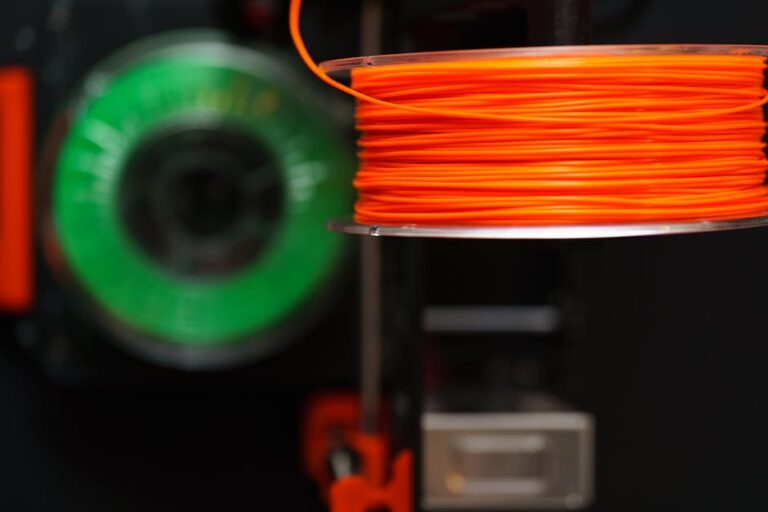
Choose the Right Filament
- PETG: Our top recommendation for drone frames. It offers a great balance of strength, impact resistance, and flexibility without being overly brittle.
- TPU: Essential for landing gear, dampeners, and any part requiring flexibility and shock absorption.
- PLA: Good for prototyping or non-structural parts, but generally too brittle for functional drone components that will experience stress or impact.
For high-quality results, consider filaments like Overture PETG or Hatchbox PETG. When it comes to flexible parts, a good TPU filament will make all the difference for durable landing gear.
Printer Calibration & Settings
A well-calibrated printer is key. For strong drone parts, focus on:
- Layer Adhesion: Ensure your printer is extruding consistently and at the correct temperature for strong layer bonds.
- Infill: Don’t skimp on infill. 50-70% infill with a strong pattern like gyroid or cubic can provide excellent strength without excessive weight.
- Wall Count: Increase your wall (perimeter) count to at least 3-4 for robust parts.
- Supports: Use supports where necessary, especially for overhangs, but try to minimize them to reduce post-processing.
- Print Speed: Slower speeds often lead to stronger, more accurate prints.
Post-Processing
Carefully remove any supports and clean up your prints. Sanding might be necessary for smooth mating surfaces or aesthetics. Ensure all mounting holes are clear and correctly sized.
Assembly
Test fit components before final assembly. Use appropriate hardware (screws, nuts, standoffs) and consider thread-locking fluid for critical screws that might vibrate loose. Take your time, double-check connections, and follow any build guides meticulously.
If you’re looking for a reliable machine to print your drone parts, check out our top recommended 3D printer picks.
Recommended Gear for Your Drone Project
Beyond your 3D printer, here are a few things that will make your drone building experience smoother:
- Quality Filaments: As mentioned, PETG and TPU are your best friends. Having a good supply of these in various colors can be helpful.
- Basic Electronics Tools: A soldering iron, wire strippers, heat shrink tubing, a multimeter, and various small screwdrivers and hex wrenches are indispensable.
- Safety Gear: Always wear eye protection when working with power tools, soldering, or flying your drone.
Ready to Take Flight?
Building a 3D printed drone is an incredibly rewarding journey that combines the precision of additive manufacturing with the thrill of flight. By carefully selecting your parts, optimizing your print settings, and paying attention to detail during assembly, you can create a truly unique and high-performing aerial vehicle. Don’t be afraid to experiment, learn from any mistakes, and enjoy the process. To get started on your own drone project, head over to 3dshopper.com where you can find excellent deals on 3D printers, the best filaments, and all the accessories you’ll need!
Ready to find your perfect 3D printer? Browse our complete guide to the best 3D printers — updated right now with expert picks at every budget.
Shop top-rated 3D printers on Amazon: Bambu Lab A1 | Creality Ender 3 | Prusa MK4