Fdm Vs Resin 3d Printing — Which Should You Choose?
Stepping into the world of 3D printing can feel a bit like learning a new language. You quickly encounter terms like FDM, SLA, DLP, and a host of others. But perhaps the most fundamental fork in the road for any aspiring maker or hobbyist is deciding between FDM vs Resin 3D printing. Both technologies offer incredible capabilities, allowing you to bring digital designs into the physical world, but they operate on vastly different principles and excel in different areas. Choosing the right one for your needs depends on your budget, your desired print quality, the types of objects you want to create, and your willingness to engage with post-processing. Let’s break down the key differences to help you make an informed decision. Check out our best 3D printers guide.
FDM 3D Printing: The Workhorse of the Maker Community
Fused Deposition Modeling (FDM), also sometimes called FFF (Fused Filament Fabrication), is by far the most common and accessible form of 3D printing. If you’ve ever seen a 3D printer in action, chances are it was an FDM machine.
How FDM Works
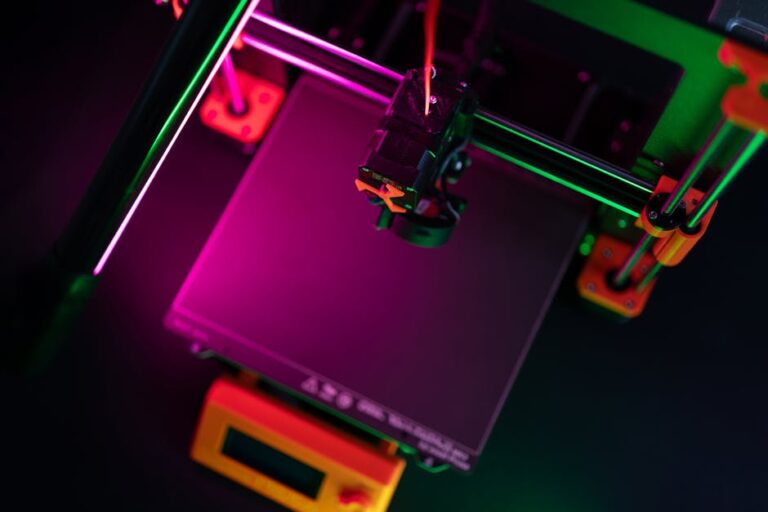
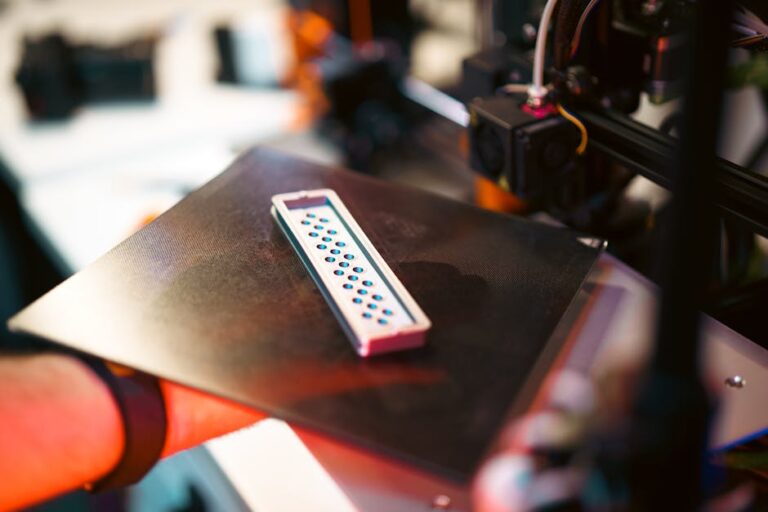
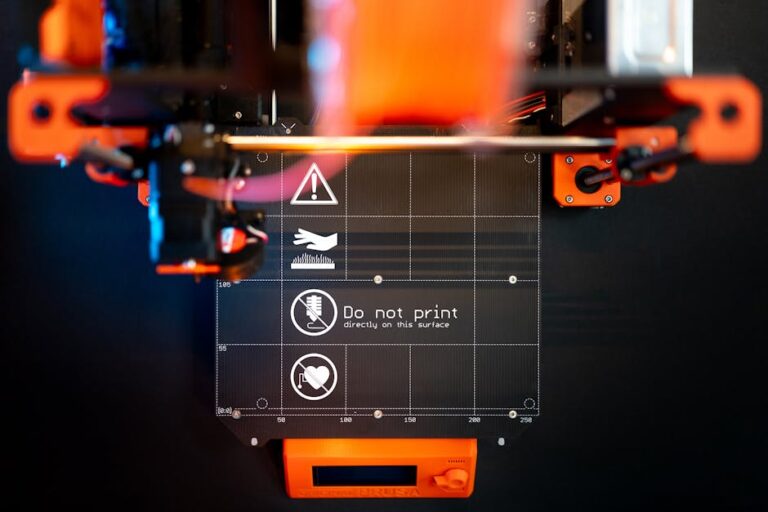
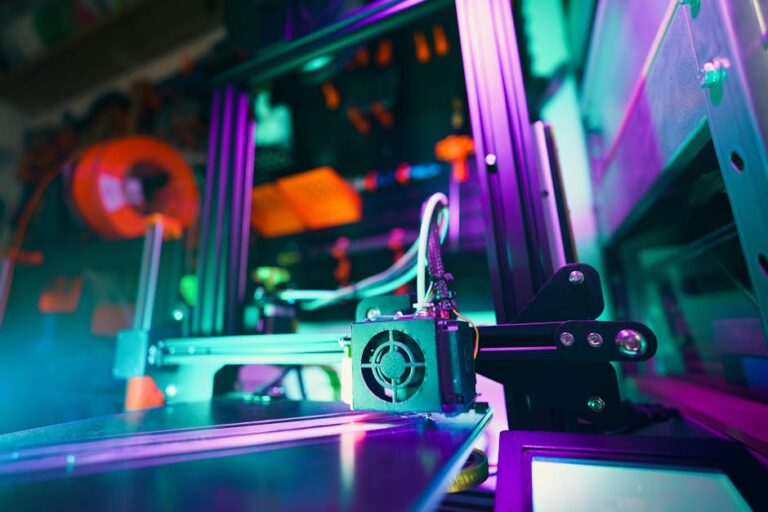
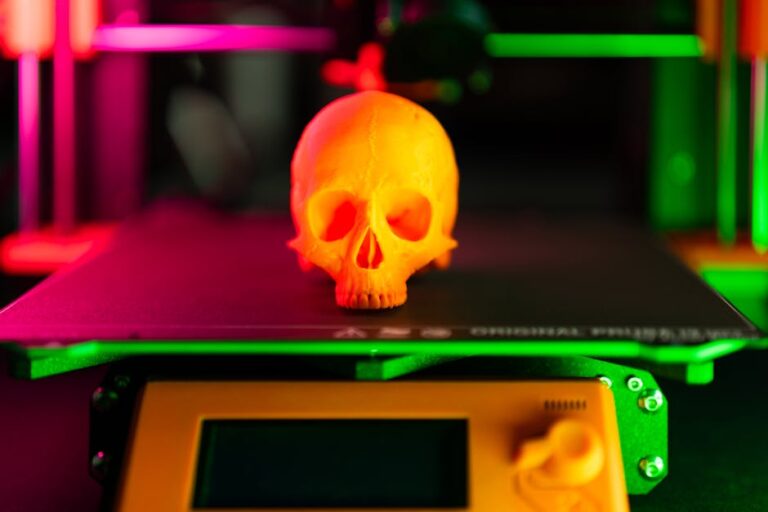
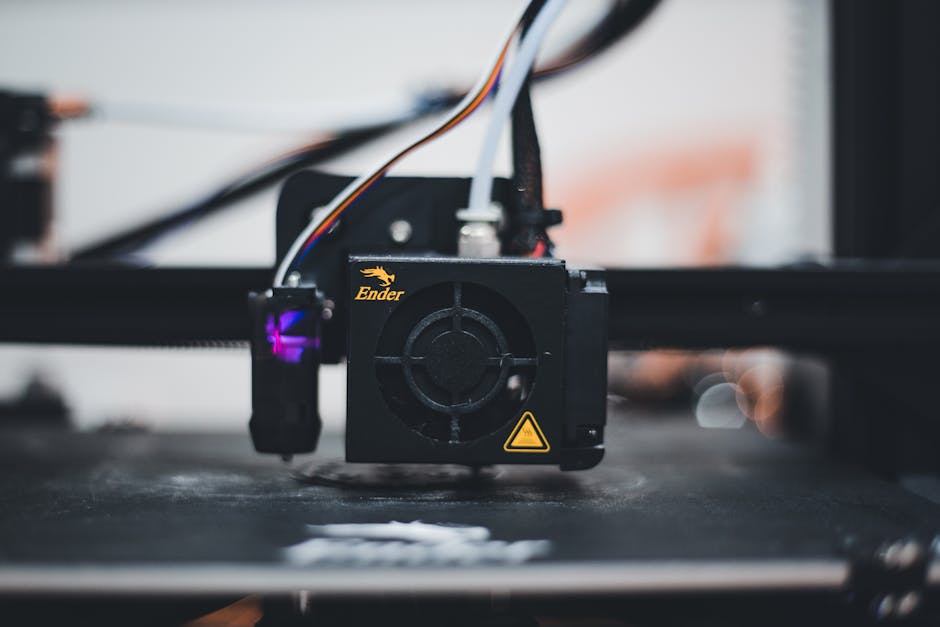
FDM printers work by heating and extruding thermoplastic filament, layer by layer, onto a print bed. A spool of filament (think of it like a roll of plastic string) is fed into a print head called an extruder, which melts the plastic and pushes it through a tiny nozzle. This molten plastic is precisely deposited onto the build plate, where it cools and solidifies. The print head moves in X and Y axes, while the build plate or print head moves in the Z axis, building the object up vertically until the print is complete.
Advantages of FDM
- Cost-Effective: Both FDM printers and their filaments are generally much more affordable than resin printers and resins. This makes FDM an excellent entry point for beginners.
- Material Versatility: FDM printers can use a wide array of thermoplastics, each with different properties. Common examples include PLA filament (easy to print, good for prototypes), PETG (more durable, slightly flexible), and TPU (very flexible). This versatility allows for functional parts, artistic models, and more.
- Larger Build Volumes: FDM printers typically offer significantly larger build areas compared to resin printers, making them ideal for printing bigger objects or multiple parts at once.
- Ease of Use & Maintenance: While there’s a learning curve, FDM printers are generally simpler to operate and maintain. Filaments are less messy, and post-processing is often limited to removing supports and perhaps some light sanding.
Disadvantages of FDM
- Lower Detail & Resolution: Due to the nature of laying down molten plastic in discrete lines, FDM prints exhibit visible layer lines. This results in a less smooth surface finish and lower fine detail compared to resin prints.
- Slower Print Speeds: While some modern FDM printers are incredibly fast (like the Bambu Lab A1), complex FDM prints can still take many hours, or even days, to complete.
- Stringing & Blobs: FDM prints can sometimes suffer from minor imperfections like stringing (fine strands of plastic between features) or blobs if not properly calibrated.
Resin (SLA/DLP/mSLA) 3D Printing: Precision and Detail at Your Fingertips
Resin 3D printing, which encompasses technologies like Stereolithography (SLA), Digital Light Processing (DLP), and masked Stereolithography (mSLA or LCD-based resin printing), uses a different approach entirely to achieve stunning levels of detail and smooth finishes.
How Resin Printing Works
Resin printers work by using a light source (a laser in SLA, a projector in DLP, or an LCD screen in mSLA) to cure liquid photopolymer resin layer by tiny layer. The resin is typically held in a vat, and the build plate descends into it. The light source then projects the shape of each layer onto the resin, solidifying it. The build plate slowly lifts, peeling the cured layer from the bottom of the vat, and the process repeats until the object is fully formed. Because layers are formed by curing entire cross-sections or very fine laser lines, the resulting prints are incredibly smooth.
Advantages of Resin Printing
- Incredible Detail & Smoothness: This is where resin printing truly shines. It can produce exceptionally fine details, sharp edges, and incredibly smooth surface finishes, making it perfect for miniatures, jewelry, prototypes, and artistic models.
- Faster for Small, Detailed Prints: While the overall process (including post-processing) can be longer, the actual print time for small, detailed models can be faster with resin printers, as an entire layer is cured simultaneously.
- Variety of Specialty Resins: Beyond standard resins, there are clear, flexible, castable, dental, and even ceramic-filled resins, expanding the applications significantly.
Disadvantages of Resin Printing
- Higher Initial & Ongoing Costs: Resin printers like the Elegoo Mars series are becoming more affordable, but they are still generally more expensive than entry-level FDM printers. The resins themselves are also more costly per volume than FDM filaments, and you’ll need additional equipment like a wash and cure station.
- Smaller Build Volumes: Most resin printers have significantly smaller build plates compared to FDM machines, limiting the size of objects you can print.
- Post-Processing & Safety: Resin prints require more extensive post-processing. They need to be washed in isopropyl alcohol (IPA) to remove uncured resin and then cured further under UV light to achieve full strength. Resins are also toxic, emit fumes, and require careful handling with gloves and proper ventilation.
- Brittle Prints: Standard resins tend to be more brittle than FDM thermoplastics, though tougher resins are available.
FDM vs Resin 3D Printing: Key Differences at a Glance
To summarize, here’s a quick comparison of the most critical factors:
- Detail & Surface Finish: Resin is superior (smooth, high detail); FDM has visible layer lines.
- Cost: FDM is generally much cheaper for both printers and materials.
- Materials: FDM has a wide range of functional thermoplastics; Resin has highly detailed specialty resins but is more brittle.
- Build Volume: FDM offers larger print sizes.
- Post-Processing: FDM is minimal; Resin requires washing in IPA and UV curing.
- Safety & Mess: FDM is relatively clean and safe; Resin requires gloves, ventilation, and can be messy.
- Ideal Use Cases: FDM for functional parts, prototypes, large models; Resin for miniatures, jewelry, artistic models, high-detail prototypes.
Which One Should YOU Choose?
The “best” 3D printer isn’t about one technology being inherently superior; it’s about which one best suits your specific needs and goals.
Choose FDM If…
- You’re on a tighter budget and want an affordable entry into 3D printing.
- You primarily need to print functional parts, prototypes, or larger models where absolute perfect surface finish isn’t the top priority.
- You want to experiment with a wide range of materials like PLA, PETG, ABS, Nylon, or flexible TPU.
- You prefer less messy post-processing and fewer safety concerns.
- You’re looking for a versatile machine that can handle many different types of projects.
Popular FDM choices include the Bambu Lab A1 for speed and quality, or the Creality Ender-3 V3 for an excellent budget-friendly option.
Choose Resin If…
- You require extremely fine details, intricate geometries, or perfectly smooth surface finishes for your prints.
- You’re interested in making miniatures, jewelry, highly detailed models, or dental/medical prototypes.
- You’re prepared for the extra costs of the printer, resins, and post-processing equipment (wash and cure stations).
- You’re comfortable with the necessary safety precautions (gloves, ventilation) and the more involved post-processing steps.
Look into models like the Elegoo Mars series or the Creality Halot series for excellent resin printing experiences.
Ultimately, both FDM and resin 3D printing offer incredible opportunities for creation. Many seasoned makers even own both types of printers to use the strengths of each technology. Consider your primary projects, your budget, and your comfort level with the workflow, and you’ll be well on your way to making the perfect choice for your 3D printing journey!
If you’re still undecided or want to explore specific models, be sure to check out our top recommended 3D printer picks where we feature the best machines across various categories and technologies to help you find the ideal 3D printer for your needs.
Ready to find your perfect 3D printer? Browse our complete guide to the best 3D printers — updated right now with expert picks at every budget.
Shop top-rated 3D printers on Amazon: Bambu Lab A1 | Creality Ender 3 | Prusa MK4