3d Printing for Cosplay — Armor, Props, and Accessories
The world of cosplay is a vibrant mix woven with passion, creativity, and incredible craftsmanship. For years, cosplayers have painstakingly molded, sculpted, and sewn intricate costumes, props, and armor by hand. But what if there was a technology that could dramatically elevate your craft, allowing for unparalleled detail, customization, and efficiency? Enter 3D printing. This revolutionary technology has become an indispensable tool for cosplayers, transforming complex designs into tangible realities with a precision that was once only dreamed of. From formidable gauntlets to fantastical weaponry and delicate accessories, 3D printing empowers creators to bring their favorite characters to life with stunning accuracy and personal flair. Check out our best 3D printers guide.
Why 3D Printing is a Cosplayer’s Best Friend
3D printing offers a myriad of advantages that make it an invaluable asset in the cosplay toolkit, streamlining many of the challenges associated with traditional prop and armor fabrication.
Unmatched Detail and Accuracy
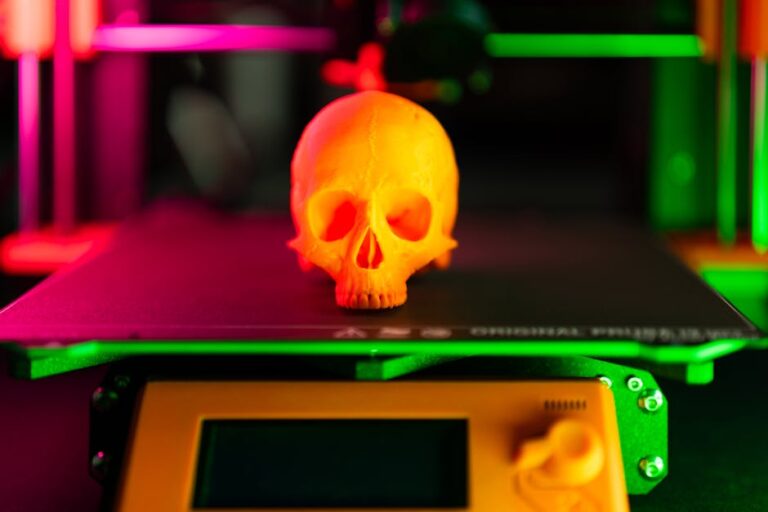
One of the most compelling reasons to embrace 3D printing for cosplay is its ability to reproduce intricate details with exceptional fidelity. Imagine a character’s ornate chest plate, a prop gun with complex mechanisms, or a piece of jewelry with filigree so fine it seems impossible to hand-sculpt. 3D printers can achieve these levels of detail consistently, translating digital designs directly into physical objects. This means less time trying to perfect tiny elements by hand and more time on finishing touches, resulting in a more screen-accurate or artistically rendered costume.
Customization at Your Fingertips
Cosplay isn’t just about replication; it’s often about personalization. 3D printing excels in this area. You can easily scale armor pieces to perfectly fit your body, modify existing prop designs to add unique flourishes, or even design entirely new components from scratch. This level of customization ensures comfort, a perfect fit, and the ability to make a costume truly your own, moving beyond generic templates. The digital nature of 3D models means endless possibilities for modification before a single gram of filament is used.
Speed and Efficiency
While a 3D print can take hours or even days, it often saves immense time compared to traditional methods for complex pieces. Once a model is prepared, the printer works autonomously, freeing you to focus on other parts of your costume or even other life commitments. There’s no waiting for glues to dry between layers, no multiple attempts to get a symmetrical piece, and significantly reduced material waste. This efficiency is particularly beneficial when you’re working against a convention deadline.
Cost-Effectiveness in the Long Run
While the initial investment in a 3D printer and materials might seem like a hurdle, 3D printing can be surprisingly cost-effective over time. Filament is generally affordable, and you only use what’s necessary for the print. Unlike traditional materials that might require specific tools or techniques, 3D printing materials are quite versatile. Plus, if a piece breaks or you want to try a different finish, you can simply print another one without starting from scratch with raw materials.
Getting Started: What You Need for Cosplay Printing
Diving into 3D printing for cosplay doesn’t have to be overwhelming. Here’s a breakdown of the essential tools and materials you’ll need.
The Right 3D Printer
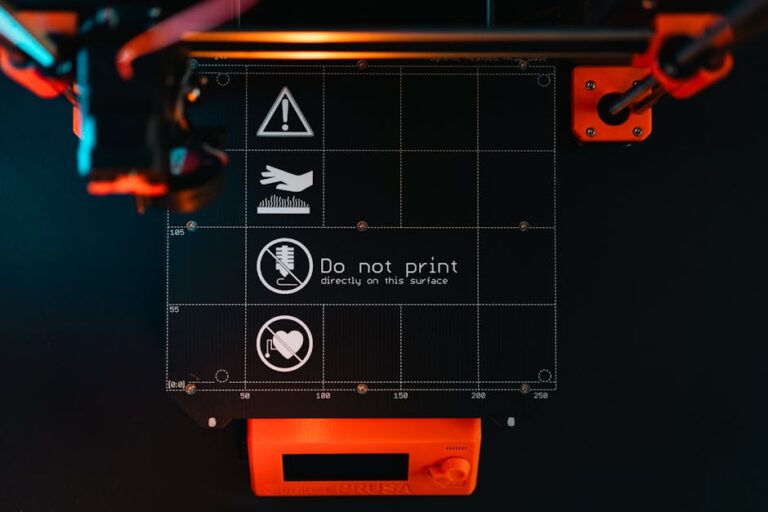
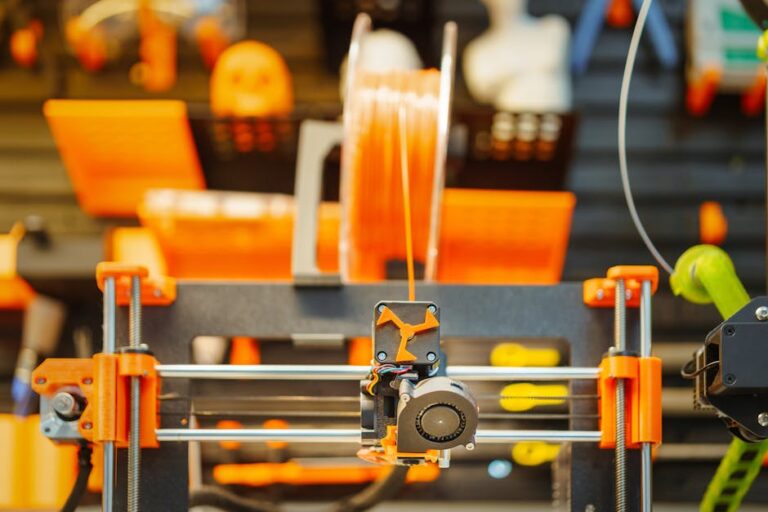
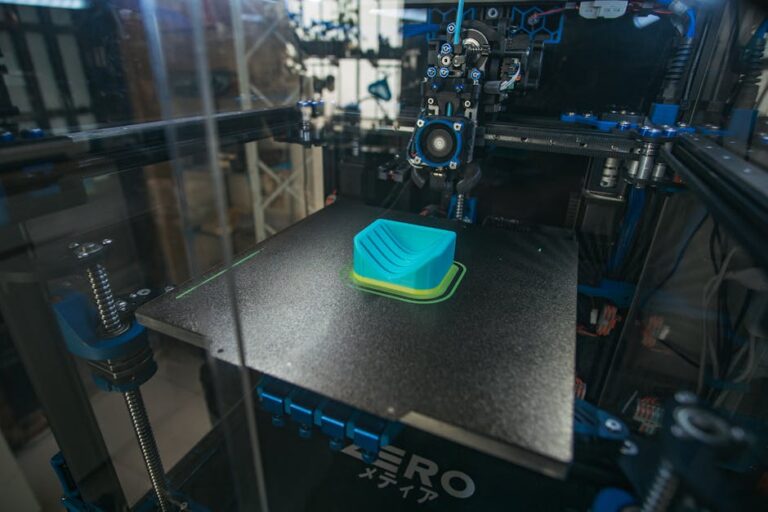
For most cosplay projects involving armor and large props, an FDM (Fused Deposition Modeling) printer is usually the best choice. These printers build objects layer by layer using melted plastic filament. They are generally more affordable, have larger build volumes, and are easier to maintain for beginners. Popular choices for FDM printers include models like the Bambu Lab A1 or the Creality Ender-3 V3, both offering a good balance of features and affordability for makers. While less common for large cosplay components, resin (SLA/DLP) printers like the Elegoo Mars are fantastic for incredibly detailed small parts, such as intricate jewelry, emblems, or small props requiring ultra-fine resolution.
If you’re still weighing your options for hardware, check out our top recommended 3D printer picks to find the perfect machine for your budget and cosplay ambitions.
Choosing Your Filament
The type of filament you choose significantly impacts the final properties of your print. Here are the most common options for cosplay:
- PLA (Polylactic Acid): This is the most popular and easiest filament to print with. It’s biodegradable, comes in a vast array of colors, and is perfect for most armor and prop pieces that won’t experience extreme stress or heat. Many cosplayers start with and rely heavily on Overture PLA or Hatchbox PLA for their projects due to its ease of use and consistent results.
- PETG (Polyethylene Terephthalate Glycol): A step up from PLA in terms of durability and flexibility, PETG is stronger and more temperature resistant. It’s great for parts that might take a bit more punishment or need a slight flex without breaking. Printing with PETG filament can be a bit trickier than PLA but offers superior strength.
- TPU (Thermoplastic Polyurethane): If you need truly flexible parts like straps, gaskets, or padding, TPU is your go-to. It’s rubber-like and incredibly durable, making it ideal for moving costume pieces. Look for TPU filament for those flexible components.
3D Modeling and Slicing Software
You’ll need software to create or modify 3D models (CAD software like Blender, Fusion 360, or even beginner-friendly Tinkercad) and then a “slicer” program to convert your 3D model into instructions (G-code) for your printer. Popular slicers include Ultimaker Cura, PrusaSlicer, and Bambu Studio, offering extensive control over print settings like infill, supports, and layer height.
Printing Cosplay Components: Tips and Tricks
Successful cosplay printing often comes down to careful preparation and understanding your printer’s capabilities.
Sizing and Scaling
Always measure! Use calipers and measuring tape to get accurate dimensions of the wearer. Print small test pieces (like a ring or a small section of armor) to ensure proper fit before committing to a long, large print. Scaling in your slicer is crucial for a comfortable and visually accurate costume.
Orientation and Supports
The orientation of your model on the print bed affects print quality, required supports, and overall strength. Orient parts to minimize overhangs and critical details on supported areas. Use supports where necessary, but try to orient the model to use as few as possible to reduce post-processing time and filament waste.
Sectioning Large Prints
Most cosplay armor pieces are too large to print in one go on a standard desktop FDM printer. Learn how to “cut” or “section” your 3D models into smaller, manageable parts using modeling software. These sections can then be printed individually and assembled later using glue, magnets, or fasteners. Consider where seams will be least visible on the final piece.
Post-Processing: Bringing Your Prints to Life
Printing is only half the battle. Post-processing is where your raw 3D print transforms into a convention-ready masterpiece.
Assembly and Adhesion
Once all pieces are printed, they need to be joined. Super glue (cyanoacrylate) is excellent for small, strong bonds. For larger seams, two-part epoxy or specific plastic cements work well. Reinforce joints from the inside with additional plastic scraps, epoxy putty, or even fiberglass mesh for added strength.
Smoothing and Filling
Layer lines are the tell-tale sign of a 3D print. To achieve a smooth, professional finish, you’ll need to sand, fill, and potentially coat your prints. Start with rough sandpaper (120-220 grit) and gradually move to finer grits (400+). Body filler (like Bondo), wood filler, or specialized 3D print fillers (e.g., XTC-3D epoxy coating) can be used to fill gaps and deep layer lines. Always sand in a well-ventilated area and wear a mask.
Priming and Painting
After smoothing, apply a few coats of high-build primer. Sanding between primer coats will help reveal any remaining imperfections and ensure a perfectly smooth surface. Once primed, your piece is ready for paint. Use acrylic spray paints, airbrush paints, or brush-on acrylics, depending on the desired finish. Always apply thin, even coats to avoid drips and ensure full coverage.
Weathering and Detailing
To add realism and depth, consider weathering techniques like dry-brushing, washes, and chipping. Use different shades of paint, sponges, and brushes to create textures like rust, dirt, battle damage, or grime. Clear coats (matte or gloss) can protect your paint job and add a final touch to your creation.
3D printing has truly democratized the art of cosplay, allowing enthusiasts and professionals alike to push the boundaries of creativity and achieve results that were once incredibly difficult or expensive. With a little practice and the right tools, you can transform digital designs into stunning physical realities, bringing your favorite characters to life with unprecedented accuracy and personal style. Start your 3D printing cosplay journey today and explore the incredible range of printers, filaments, and accessories available right here at 3dshopper.com to bring your wildest costume dreams to life!
Ready to find your perfect 3D printer? Browse our complete guide to the best 3D printers — updated right now with expert picks at every budget.
Shop top-rated 3D printers on Amazon: Bambu Lab A1 | Creality Ender 3 | Prusa MK4